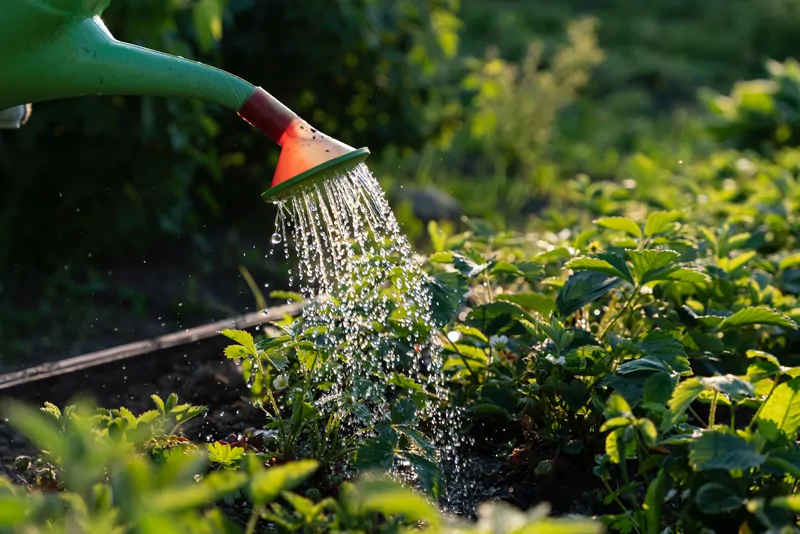
Best Time to Water Plants and How to Avoid Common Watering Mistakes
Watering native plants is less about following a rigid schedule and more about knowing when to water...
Late in the gardening season, nectar plants and host plants are vitally important. Nectar-rich blooms attract butterflies, bees, and hummingbirds, while host plants provide larval food sources for caterpillars that grow into butterflies. Many gardeners focus on nectar plants but often overlook this other half of the survival equation. Without foliage for caterpillars to feed on, there will be no butterflies flitting through your garden in the future.
Two perennials top my list for providing both nectar and larval food: White Turtlehead (Chelone glabra) and Sweet Goldenrod (Solidago odora).
White Turtlehead is a Maryland native perennial with striking white blossoms that resemble a turtle poking its head out of its shell. More than just ornamental, this plant plays a vital role in pollinator gardens:
Host Plant: Turtlehead sustains the caterpillar of the Baltimore Checkerspot butterfly, Maryland’s official state insect.
Pollinator Magnet: Its nectar-rich flowers attract honeybees, native bees, and hummingbirds.
Rain Garden Plant: Thrives in moist, rich soil near streams, ponds, and swampy areas. A perfect choice for rain gardens and other water-collecting spots.
Turtlehead grows to about 36 inches tall, with glossy serrated foliage. It is deer resistant, hardy to USDA Zones 4–8, and looks stunning planted in naturalistic settings or perennial borders. Pair it with Lobelia, Snakeroot, and Ferns for a layered shade garden.
Growing Tips:
Plant in full sun if soil stays moist; partial shade works better in drier conditions.
Pinch back stems in early summer to reduce height and prevent staking.
Excellent choice for erosion control along waterways.
When most people think of Goldenrod, they mistakenly associate it with allergies. In truth, Goldenrod is insect-pollinated, meaning its pollen does not drift through the air. The real culprit for hay fever is Ragweed, a lookalike that blooms at the same time.
Sweet Goldenrod is a standout among late-season perennials:
Host Plant: Supports over 115 species of butterflies and moths, more than any other perennial.
Pollinator Magnet: Monarchs flock to its golden plumes during their fall migration, and it attracts beneficial insects like syrphid flies, ladybugs, praying mantises, and assassin bugs.
Low-Maintenance Native Plant: Unlike some aggressive goldenrods, Sweet Goldenrod grows in a clumping habit that stays tidy in borders.
Deer Resistant & Drought Tolerant: Its licorice- and anise-scented foliage repels deer and thrives in clay or dry soils.
This heat- and drought-tolerant perennial grows up to 4 feet tall, with woody, upright stems and tiny golden star-shaped flowers that bloom August through September. Its long flowering season provides reliable nectar when few other plants are blooming.
Additional Benefits:
Wildlife Habitat: Leave stems standing through winter, as many insects lay eggs or pupate inside the hollow stalks.
Edible & Medicinal Uses: Goldenrod leaves can be brewed into a fragrant tea with a light licorice flavor, or used as tinctures, extracts, and natural dyes. Flowers also make beautiful salad garnishes.
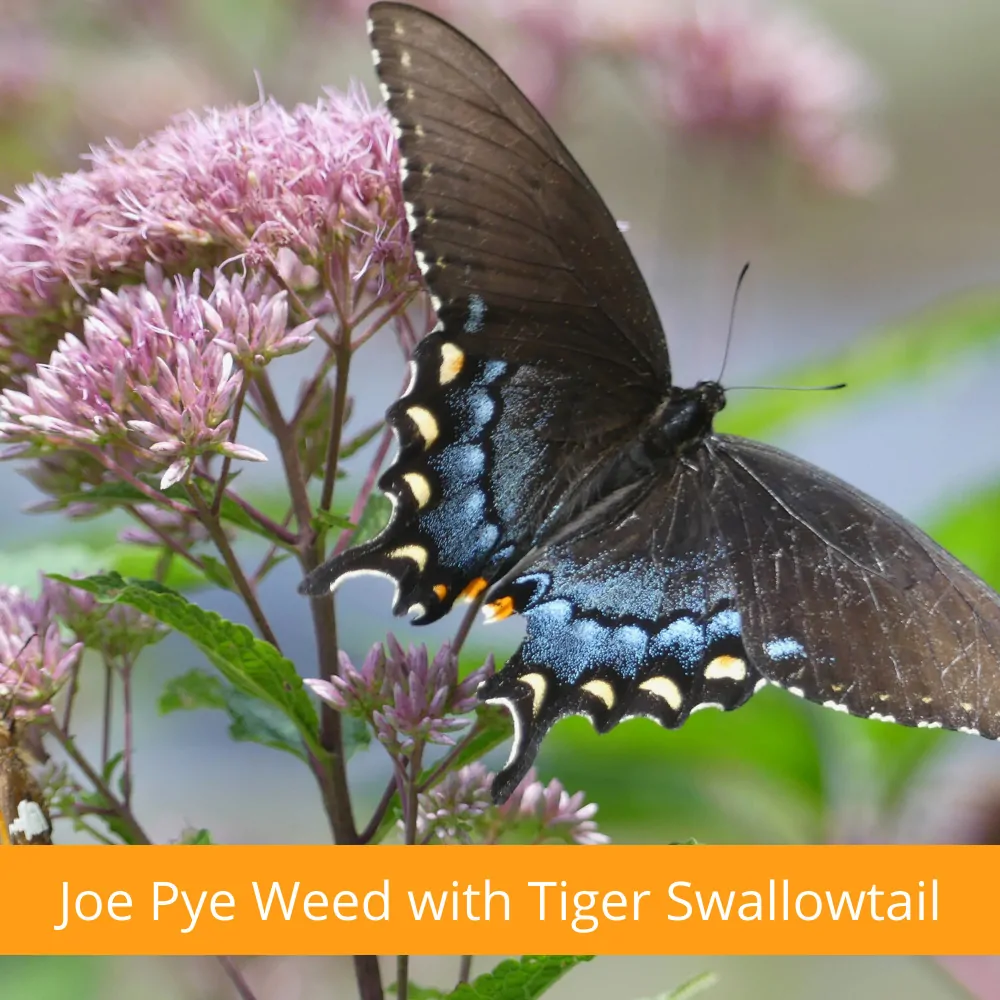
Garden Design: Sweet Goldenrod pairs beautifully with purple asters, Joe Pye Weed, and pink Liatris, creating striking fall color contrasts. It also shines in fresh flower arrangements and lasts weeks when dried in place.
Support Pollinators Year-Round – Nectar and larval host food supply butterflies, bees, and hummingbirds.
Native Plant Advantages – Adapted to local soils, climates, and wildlife.
Low Maintenance – Both perennials are hardy, deer resistant, and tolerant of variable soils.
Rain Garden & Meadow Ready – Thrive in naturalistic plantings, wetlands, or butterfly gardens.
Four-Season Interest – Spring foliage, late-summer flowers, fall pollinator activity, and winter insect habitat.
If you want to create a pollinator-friendly garden that supports both adult butterflies and their caterpillars, plant White Turtlehead and Sweet Goldenrod. Together, they provide nectar, larval food, biodiversity, and beauty. These native perennials not only enhance your landscape but also help restore essential ecosystems for butterflies, moths, and beneficial insects. Contact us to buy direct native plants online.