Best Time to Water Plants and How to Avoid Common Watering Mistakes
Watering native plants is less about following a rigid schedule and more about knowing when to water...
When people think of fall landscapes, trees with brilliant red and gold leaves usually come to mind. While trees play a major role in autumn’s beauty, native perennials also bring striking fall color that can transform your garden beds, borders, and meadows into vibrant displays. These hardy, low-maintenance plants return year after year, supporting pollinators while adding seasonal brilliance. If you want your garden to stay colorful long after summer’s blooms fade, consider these ten native perennials that provide exceptional fall color.
Goldenrod is often mistakenly blamed for allergies, but the true culprit is ragweed. In reality, goldenrod is an invaluable fall bloomer that lights up gardens with brilliant yellow plumes. Dozens of native species exist, offering a range of sizes and forms. Whether in meadows, pollinator gardens, or perennial borders, goldenrod pairs beautifully with asters for a striking purple-and-gold combination. Beyond its beauty, it provides critical nectar for bees, butterflies, and migrating insects late in the season.
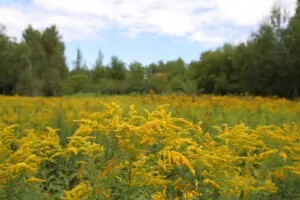
Goldenrod
Asters are among the final perennials to bloom each year, covering the landscape with starry flowers in shades of purple, lavender, and white. These late-season blooms provide essential nectar for pollinators preparing for winter. Asters thrive in full sun and well-drained soils and look especially stunning when paired with goldenrod or Pink Muhlygrass. Their dense clusters of flowers add life and texture to fall gardens while supporting monarch butterflies and native bees.
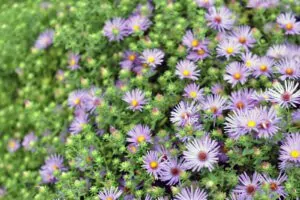
Smooth Aster
Known as one of the “prairie giants,” Big Bluestem offers bold structure and dramatic fall color. Its tall blades shift to bronze, red, and purple hues in autumn, creating a vivid backdrop for flowering perennials. Growing 4 to 6 feet tall, it’s ideal for larger gardens, meadow plantings, or naturalized landscapes. Big Bluestem is also drought-tolerant once established, making it both beautiful and resilient.
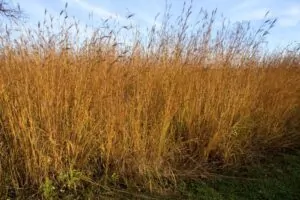
Big Bluestem
For evergreen texture that persists through winter, few plants rival the Christmas Fern. Its glossy, deep-green fronds add structure to shaded gardens and woodland edges when most plants have died back. It thrives in moist, well-drained soils and partial to full shade, offering dependable year-round color and erosion control on slopes or in shaded borders.
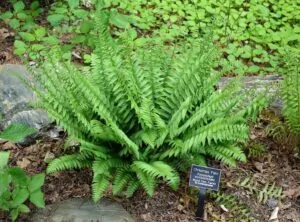
Christmas Fern
Cinnamon Fern brings a rich, earthy dimension to fall gardens. Its fronds turn shades of copper and gold in autumn, complementing the warm tones of native grasses. In spring and summer, its cinnamon-colored fertile fronds rise from the center, adding visual interest long before fall. It prefers moist, shady conditions and is an excellent choice for rain gardens, woodland edges, and streambanks.
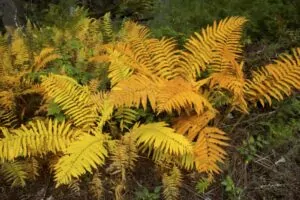
Cinnamon Fern
Though best known for its early spring carpet of blooms, Moss Phlox maintains semi-evergreen foliage that stays lush and green well into fall and winter. It provides excellent groundcover in sunny areas, offering year-round texture even after flowers fade. This hardy native thrives in well-drained soil and rocky slopes, making it perfect for edging paths or stabilizing banks.
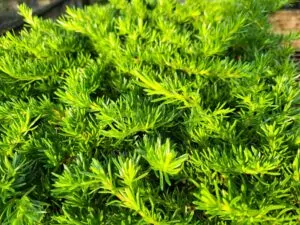
Moss Phlox
Narrowleaf Bluestar is one of the most breathtaking native perennials for fall color. Its fine, feathery foliage turns a brilliant golden-orange in autumn, glowing in the low sunlight of the season. In spring, it bears clusters of pale blue flowers, giving it multi-season appeal. This low-maintenance perennial thrives in full sun and average soil, offering exceptional form and texture in garden borders or mass plantings.
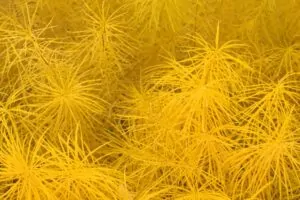
Narrowleaf Bluestar
Northern Sea Oats add movement and charm to the fall garden with their distinctive, drooping seed heads that shimmer in the wind. In autumn, their foliage turns coppery-bronze, while the seed heads transition from green to tan and persist into winter, feeding birds. This grass grows well in sun or partial shade and adapts to a range of soil types, making it versatile for both formal and naturalized plantings.
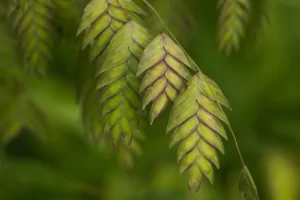
Northern Sea Oats
Few plants deliver the visual drama of Pink Muhlygrass in fall. Its airy plumes of soft pink flowers create a cloud-like effect, especially when backlit by the afternoon sun. Blooming from late summer into fall, it provides an incredible contrast against other warm-toned foliage. It thrives in full sun and well-drained soils, requiring minimal maintenance once established.
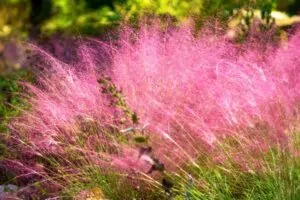
Pink Muhlygrass
Purple Lovegrass is a compact, clumping native grass that bursts into feathery purple blooms in late summer and fall. The effect is ethereal—like a haze of lavender mist hovering above the ground. As the season progresses, the flowers fade to tan, and the foliage develops warm bronze tones. It thrives in full sun and dry, sandy soils, making it an excellent choice for borders, meadows, and pollinator-friendly landscapes.
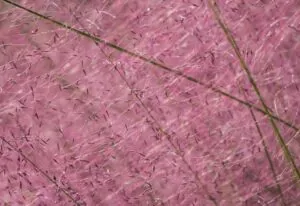
Purple Lovegrass
Design Tips for Using Fall Perennials
When incorporating these perennials into your landscaping, think about layers of color, texture, and bloom times. Grouping several species together creates vibrant combinations and extends the season of interest. For example:
By layering heights and bloom times, you can maintain interest and ecological value from spring through late fall.
The Benefits of Planting Native Perennials
Native perennials not only provide beauty but also play an essential role in ecological health. They’ve evolved alongside local pollinators, birds, and wildlife, offering crucial food and habitat throughout the year. Because they are adapted to regional climates and soils, they require less maintenance, water, and fertilizer than many nonnative plants. Choosing fall-blooming and colorful natives ensures your landscape remains both vibrant and ecologically supportive well into autumn.
A systematic review of 165 studies found that in 120 cases, native plants outperformed nonnative species across key ecological metrics—such as supporting faunal abundance, diversity, and ecosystem services—while only 26 studies favored nonnatives. That means over 70% of studies concluded native plants deliver stronger ecological benefits, reinforcing their importance in sustainable, wildlife-friendly landscaping.
Bring Fall Color to Your Garden with Direct Native Plants
At Direct Native Plants, we specialize in offering high-quality native perennials that thrive in local conditions. Whether you’re looking to extend your garden’s bloom season, support pollinators, or simply enjoy a dazzling fall display, our carefully selected plants can help you achieve your vision. We don’t sell seed, but we do provide healthy, ready-to-plant perennials that make establishing a native garden easy and rewarding.
Browse our online catalog today to find the perfect additions for your fall landscape.