Best Time to Water Plants and How to Avoid Common Watering Mistakes
Watering native plants is less about following a rigid schedule and more about knowing when to water...
Watering native plants is less about following a rigid schedule and more about knowing when to water, where to aim, and how deeply the moisture needs to go.
Water too late in the day, and plants may sit damp overnight. Water in the heat of the afternoon, and much of that moisture can evaporate before it reaches the roots. Water too shallowly, and roots stay near the surface, where they are more vulnerable to heat, drought, and stress.
Native plants are adapted to regional rainfall once established, but that resilience takes time. In the first season, especially, the way you water can determine whether plants struggle, survive, or develop the deep roots they need to thrive long term.
Here’s how to choose the best time to water plants, support newly planted natives, and avoid the most common watering mistakes.
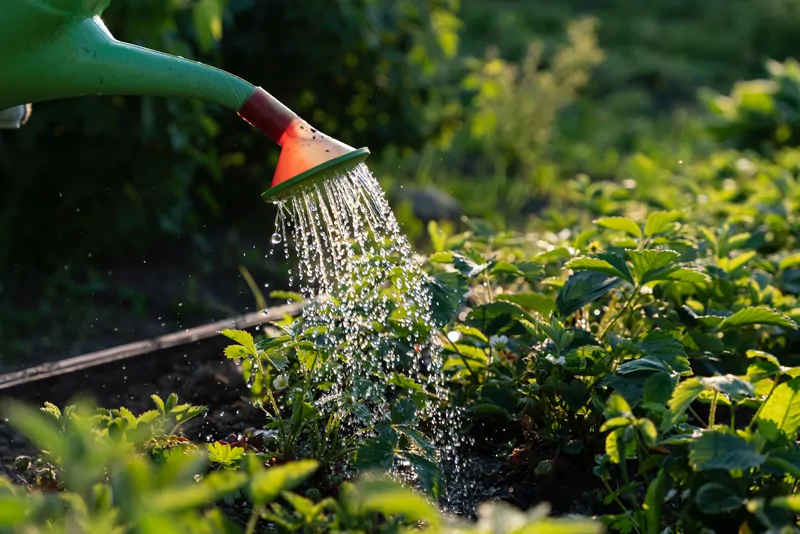
Water applied early has time to reach the roots before the heat builds, and any moisture on the foliage dries off before evening, which lowers the risk of fungal disease.
Iowa State University Extension recommends watering between 5:00 and 9:00 a.m. when using a sprinkler or garden hose, because foliage dries quickly in the hours that follow.
Aim at the base of the plant rather than the foliage, and water before dark so plants aren’t sitting in wet soil overnight. Roots absorb water more slowly at night, so timing matters.
Water evaporates quickly from hot soil in the afternoon and may not reach the root zone at all. That said, if midday is the only window you have, water anyway. An imperfect watering is better than none, especially in the first season when roots are still shallow. Aim at the base of the plant, water slowly, and let it soak in rather than run off.
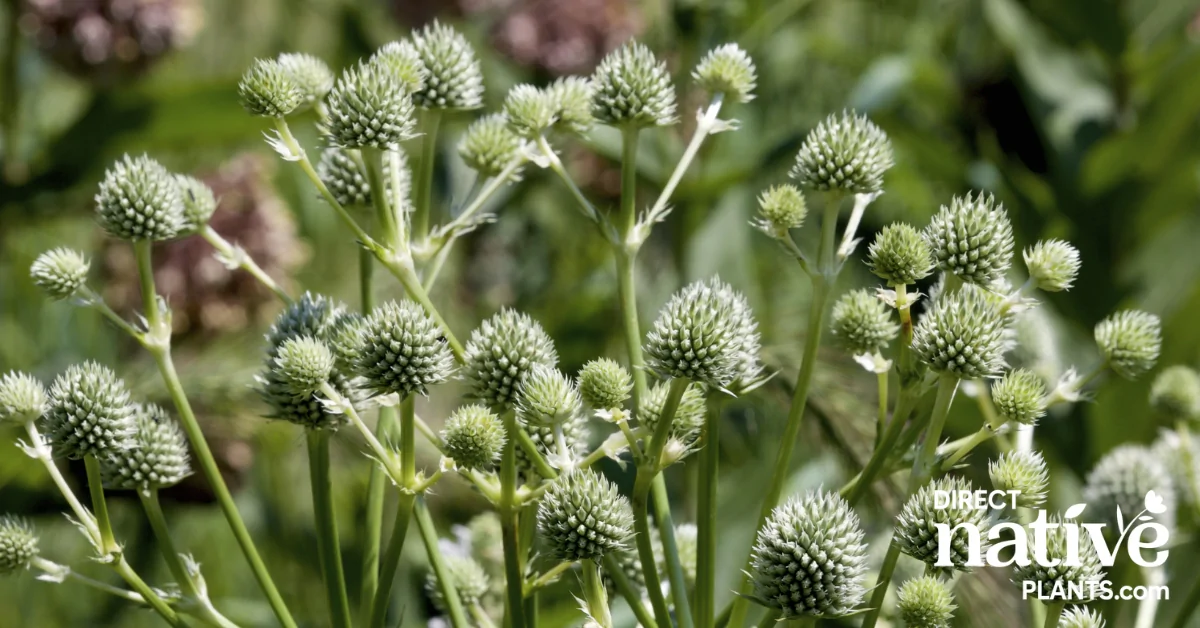
The watering needs of a native plant in its first season are nothing like what it needs in year three. Treating them the same is one of the more common reasons plants fail.
Newly planted natives still have their roots in the original root ball. They haven’t reached into the surrounding soil yet, which means they dry out faster.
Water daily for the first two weeks, skipping days when it rains. Once new growth appears, reduce to two or three times per week through the first month. The goal throughout is to keep the root zone consistently moist without waterlogging it.
Before each watering, push a finger or trowel 2 to 3 inches into the soil. If it feels dry at that depth, water. If it still feels damp, give it another day.
Even the hardiest native plants need regular watering to become established, which can take two to three years. The signs are gradual but readable. A plant that is establishing itself will push out new growth consistently through the growing season, hold up through dry stretches without wilting, and look less stressed after each year than it did the year before.
Once you stop noticing it needs attention, it usually does not. Shallow, frequent watering keeps roots near the surface and creates dependency. Deep watering encourages roots to follow moisture down into the soil, which is what builds long-term drought tolerance.
Established native plants need much less attention. Most in the Northeast and Midwest get through the growing season on natural rainfall, with supplemental watering only during extended dry stretches. When you do water, do it deeply and infrequently.
Check the soil first and only water when it’s dry.
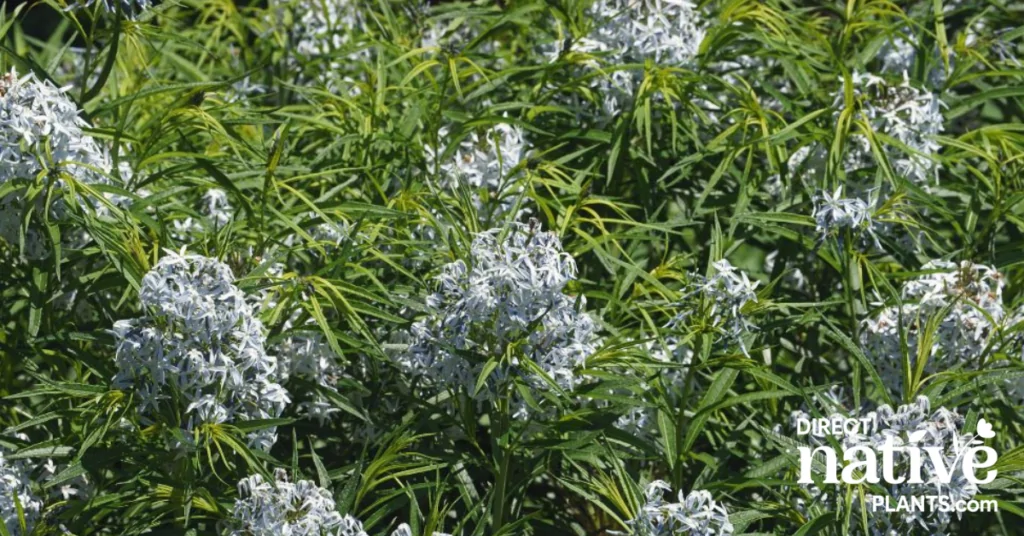
Drip irrigation and soaker hoses are more efficient than overhead sprinklers because they put water where the plant can use it. They also reduce evaporation and make water go further.
A long, slow soak that reaches 6 to 8 inches into the soil is more effective than daily sprinkles. Check soil moisture with a trowel or finger before watering. If the top two inches are dry, water. If there’s still moisture, wait.
Two to three inches of organic mulch around the base of a plant holds moisture in the soil and moderates soil temperature. Keep it away from the trunk or stem. For a full guide on how to apply it correctly, read our mulching guide here.
Native trees and shrubs develop deep root systems that eventually make them largely self-sufficient. Getting there requires patience in the first season.
Shallow watering for newly planted trees and shrubs leads to weak root systems. Deep watering encourages roots to grow downward, which is what makes a tree or shrub genuinely drought-tolerant later on. A slow trickle at the base for 20 to 30 minutes, or a soaker hose left to run, works better than a brief spray.
Once established, native shrubs and trees need only occasional deep soaking, roughly every two to three weeks during dry periods. At that point, they largely take care of themselves.
A schedule set in May may be too much in a cool wet June and not enough in August. Check the soil and adjust based on conditions, not the calendar.
It keeps roots near the surface and makes plants dependent on you. Water less often but deeper.
Most new native plantings need about 1 to 2 inches of water per week, with less frequent but deeper waterings that let the soil dry out between sessions. The drought tolerance kicks in after establishment, not before.
Consistently wet soil cuts off oxygen to the roots and invites root rot. When in doubt, check the soil before reaching for the hose.
Once established, native plants need far less support than many traditional landscape plants, but they still need the right start. A little extra care early on can make an incredible difference.
Watering gives native plants the support they need to establish, but long-term success also starts with choosing plants suited to your region and growing conditions.
Direct Native Plants makes it easier to find native trees, shrubs, perennials, and grasses that fit your landscape. With more than 220 native species available, including woody species grown in-house, you can choose plants that are adapted for your area and better prepared to thrive once established.
If you’re adding native plants to your yard this season, you can browse our full selection here and use the filter to narrow your options by region, light, soil, and growing needs.