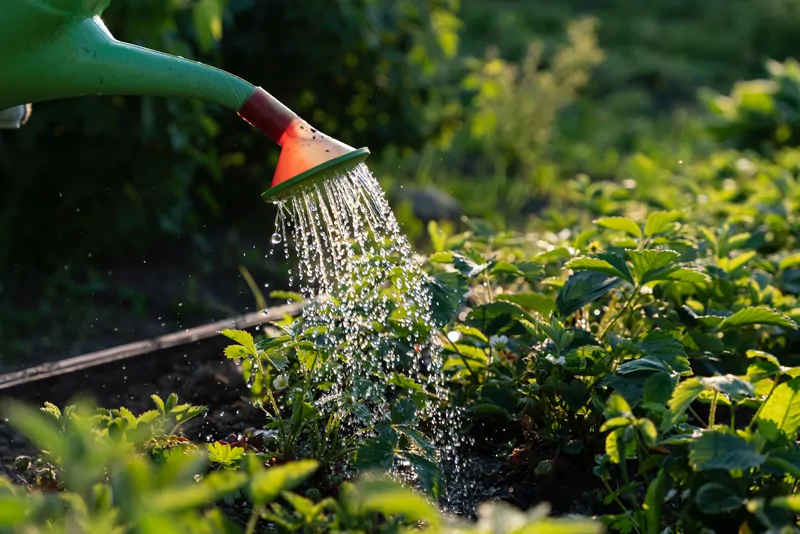
Best Time to Water Plants and How to Avoid Common Watering Mistakes
Watering native plants is less about following a rigid schedule and more about knowing when to water...
Native shrubs offer some of the most reliable, low maintenance, and ecologically beneficial options for home landscapes. Gardeners often focus on flowering perennials or showy trees, but shrubs are the workhorses that provide structure, color, and habitat support through every season. When you choose native shrubs, you get plants that thrive with local conditions, support pollinators and wildlife, and give your landscape long lasting beauty. The following guide highlights some of the best native shrubs for seasonal color, structural appeal, and ecological value.
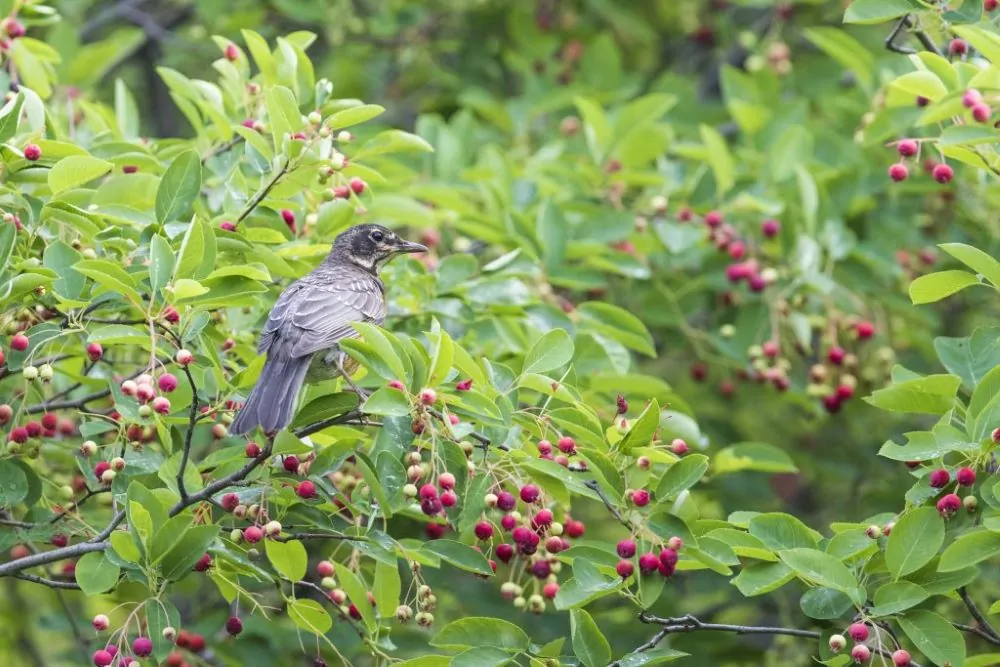
Native shrubs adapt naturally to regional climates, soil types, and seasonal cycles. This allows them to remain visually appealing long after many nonnative ornamentals fade. In addition to ornamental benefits, native shrubs provide essential support for pollinators, beneficial insects, songbirds, and small mammals. Their berries, nectar resources, and dense branch structures offer food and shelter throughout the entire year.
Many homeowners also appreciate that native shrubs require less watering, fewer fertilizers, and far less maintenance than many traditional landscape shrubs. Once established, they often handle drought, rainfall fluctuations, and seasonal temperature changes with ease. For gardeners who want beauty without constant work, native shrubs are a practical and sustainable solution.
Spring is the season when many native shrubs come to life with clouds of flowers and fresh foliage. These early season blooms bring nectar to emerging pollinators and vibrant color to awakening landscapes.
Aronia arbutifolia
Red chokeberry creates a spectacular spring display when its branches fill with clusters of white flowers. These blossoms attract many types of early pollinators. The shrub grows well in full sun or partial shade and handles both moist and dry soils. Red chokeberry also provides multi season interest, making it one of the most versatile shrubs for year round landscapes.
Itea virginica
Virginia sweetspire produces long fragrant tassels of white flowers in late spring to early summer. The blooms attract bees, butterflies, and other beneficial insects. This shrub tolerates clay, wet soils, and occasional flooding, which makes it a dependable choice for difficult sites. It also delivers outstanding fall color that ranges from deep red to orange.
Ceanothus americanus
New Jersey tea is a compact shrub that grows well in sunny, dry locations. It produces rounded clusters of white flowers in late spring, which draw many pollinators including native bees and butterflies. This shrub works beautifully in borders, native gardens, and meadow edge plantings.
Cercis canadensis (shrub habit or multi stem)
Although often grown as a small tree, redbud is also available in multi stem shrub form. Its bright pink flowers cover bare branches in early spring and are highly attractive to early season pollinators. The shrub grows well in full sun to part shade and adds structural beauty to mixed borders.
Summer brings lush foliage, fruit development, and ongoing blooms from many native shrubs. These shrubs help maintain color and visual structure during the hottest months.
Cephalanthus occidentalis
Buttonbush offers a striking display of spherical, scented flower clusters throughout the summer. These unique blooms attract butterflies, bees, and hummingbirds. Buttonbush prefers moist locations and grows well near ponds, streams, and rain gardens. Its unusual flowers and wildlife value make it one of the most distinctive native shrubs available.
Clethra alnifolia
Summersweet produces fragrant flower spikes from mid to late summer and remains one of the best shrubs for pollinators during the warm season. This shrub tolerates wet soils and shade better than many other flowering shrubs, which makes it an excellent option for woodland edges or moist garden areas.
Liatris pycnostachya (woody perennial with shrub like massing)
While technically a perennial, tall blazing star behaves like a small woody shrub in summer landscapes due to its height and structure. It produces tall spikes of purple flowers that attract butterflies, bees, and many pollinators. In mass plantings it provides a shrub like effect and excellent late summer color.
Hydrangea arborescens
Smooth hydrangea is known for its large, showy summer flower clusters. It performs best in partial shade and moist soils. For gardeners looking for a native alternative to non native hydrangeas, this species offers similar beauty while providing wildlife support and improved ecological value.
Fall is one of the strongest seasons for native shrubs. Many varieties turn brilliant shades of red, orange, yellow, and purple. Others produce berries that persist into winter, feeding migrating birds and adding vibrant accents to the landscape.
Viburnum dentatum
Arrowwood viburnum turns vivid shades of red and purple in fall and produces blue black berries that attract birds. The shrub has a naturally rounded shape and tolerates many conditions, including clay soils and urban environments. Its foliage color and fruiting display make it a standout for autumn landscapes.
Hamamelis virginiana
Witch hazel is one of the few shrubs that blooms in late fall. Its yellow ribbon like flowers appear as the leaves drop, offering a rare burst of color when most other plants are going dormant. Witch hazel grows well in woodlands and partially shaded gardens and supports late season pollinators.
Viburnum acerifolium
Mapleleaf viburnum produces soft pinkish white flower clusters in spring and stunning fall color in shades of rose, purple, and deep red. It thrives in shade and dry woodland conditions, making it a useful shrub for understory planting.
Winter landscapes often appear bare, but native shrubs can provide color, texture, structure, and food sources during the dormant season.
Ilex verticillata
Winterberry is one of the best shrubs for winter interest due to its bright red berries that persist through the coldest months. These berries attract many bird species. Winterberry tolerates wet soils and works well in rain gardens, foundation plantings, and naturalized areas.
Ilex glabra
Inkberry holly is an evergreen native shrub with glossy green foliage that provides structure in winter. It is a reliable alternative to nonnative boxwoods and performs well in many soil types. Its dense growth habit and year-round color make it an essential choice for foundation plantings and evergreen borders.
When selecting native shrubs for your landscape, consider the following factors:
A well-designed landscape uses shrubs as the backbone for four season appeal. Try incorporating shrubs of different heights, bloom times, and foliage characteristics. For example, pair spring blooming shrubs with summer performers and fall foliage shrubs with evergreen species for winter interest. Using a mix of textures and colors helps create a visually dynamic planting that looks attractive throughout the year.
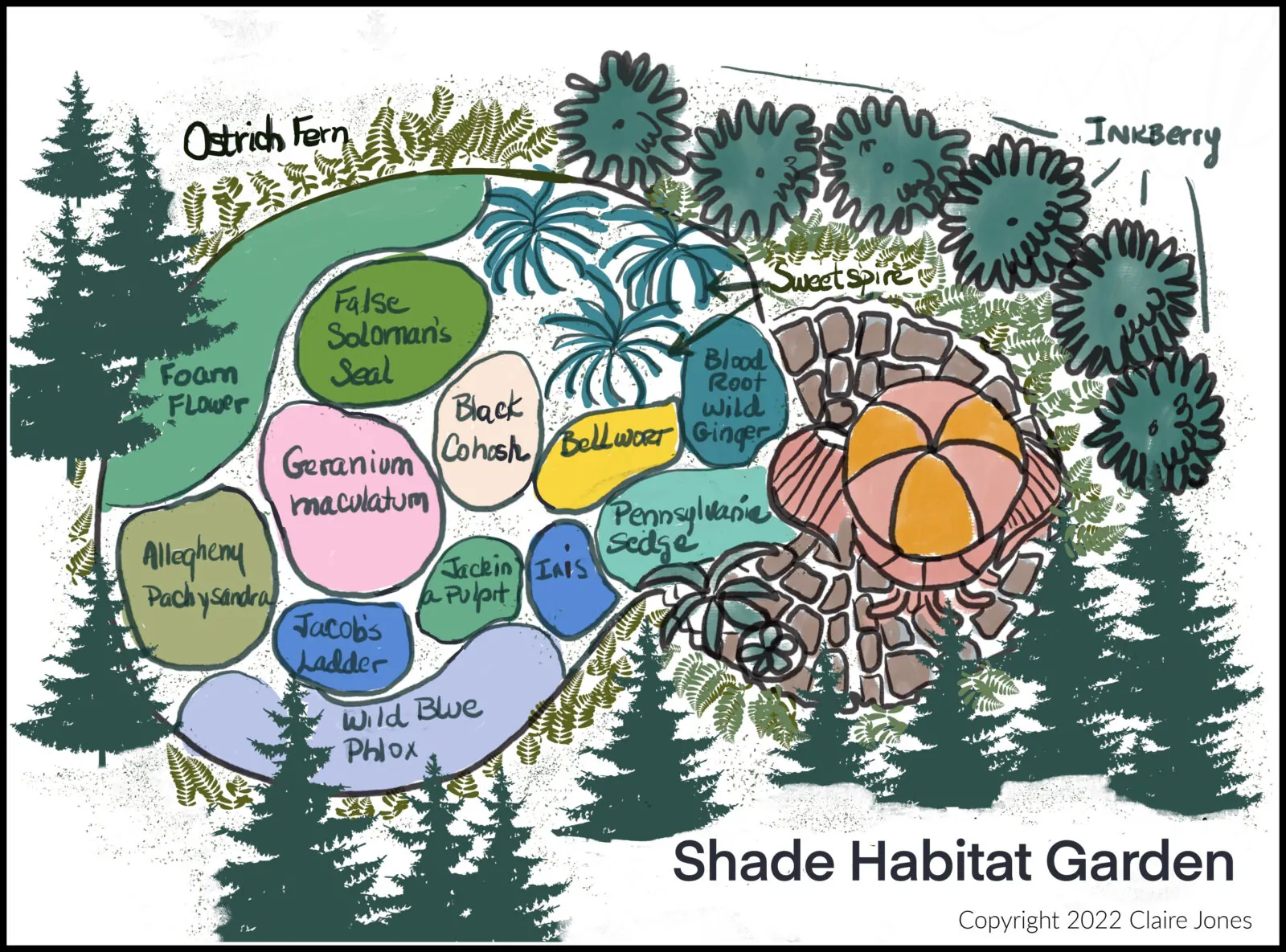
Shrubs like buttonbush, arrowwood viburnum, and sweetspire add seasonal color, while winterberry, inkberry holly, and red twig dogwood offer winter structure. These combinations create layers of interest while supporting pollinators and wildlife all year.
Direct Native Plants offers a convenient way to select and purchase high quality native shrubs online. Plants are shipped directly to your home, ready to plant and establish in your landscape. The nursery focuses on native species that offer ecological benefits and are well suited to a wide range of landscapes. With reliable shipping, strong plant health, and a broad catalog of native shrubs, homeowners can easily build beautiful four-season gardens with plants that thrive naturally.
Direct Native Plants is a resource for gardeners who want sustainable landscape choices, improved wildlife habitat, and seasonal color without overwhelming maintenance. With the right mix of native shrubs, your yard can be beautiful in every season and beneficial to the environment. Contact us today.