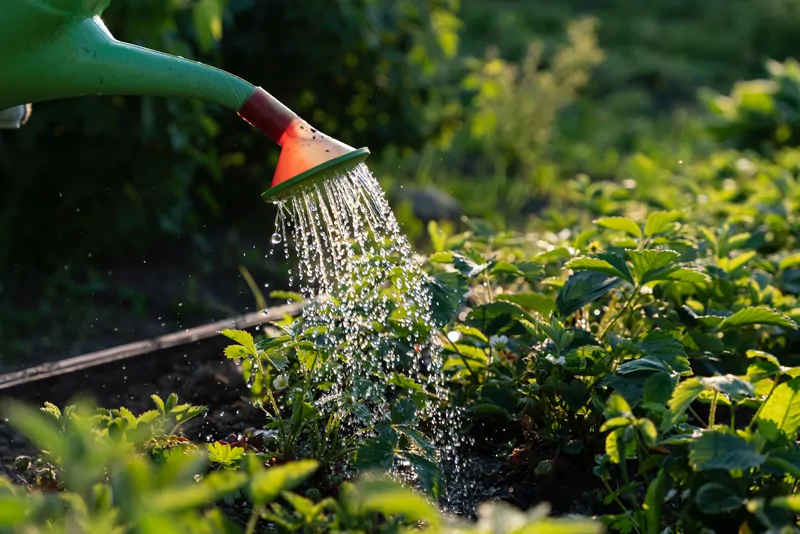
Best Time to Water Plants and How to Avoid Common Watering Mistakes
Watering native plants is less about following a rigid schedule and more about knowing when to water...
Claire is a horticulturalist and landscape design consultant. Owner of Claire Jones Landscapes, LLC, Claire’s designed gardens have been featured in print publications like WSJ and Style Magazine. A garden writer at The Garden Diaries, Claire maintains 3 honeybee hives and gardens at her home in Maryland.
You can “rewild” your yard, or return your landscape back to nature, even in the most urban environments. By stepping back and allowing natural processes to unfold (reducing the intensive management of your yard), you can encourage wild plants, native insects, and even birds to return.
Rewilding begins with recognizing native plants as the foundation of the local food web, which is essential for supporting populations of native pollinators and other wildlife.
If you don’t have an outdoor space to manage, consider adopting a street tree or tending a sidewalk strip (if permitted by your county), renting a plot in a community garden, or planting containers with native species. Every small step toward rewilding supports urban biodiversity and restores essential habitat.
Nature isn’t tidy, and by constantly cleaning up every bit of debris, our landscapes become sterile and uninviting to wildlife. Leave seed heads standing and don’t remove every last leaf from your lawn or planting beds. Leaves shelter overwintering insects, and seed heads feed birds through winter.
Homeowners are the biggest culprits in the overuse of chemical deterrents, including pesticides, herbicides, slug pellets, and synthetic fertilizers. These toxins linger in the environment and can harm pollinators and beneficial insects. Look for seeds and plants that are grown chemical-free to support a healthy ecosystem.
If your space is mostly concrete or paved, think vertical. Grow native vines in containers and train them to climb trellises or walls. Options like Dutchman’s Pipe (Aristolochia macrophylla) or Trumpet Honeysuckle (Lonicera sempervirens) are excellent for hummingbirds and long-tongued native pollinators, and serve as host plants for native insects.
Even a small water basin or built-in pond with native aquatic plants can boost the biodiversity of your property. Frogs, toads, salamanders, and other wildlife will find it. Even a ditch filled with rainwater can provide essential breeding habitat. I have a pond, and frogs and toads appear every spring without any effort on my part.
If your HOA or county allows it, set aside part, or all, of your lawn to grow naturally. Mowing less allows wildflowers and native grasses to establish, which supports pollinators and creates mini meadow ecosystems. Try mowing pathways through taller areas for access. Flowers like oxeye daisies, goldenrod, and clover quickly take root. Let your weeds flower; blooming clover is a top nectar source for honeybees and native bees.
Install birdhouses, bug hotels, and bumblebee nests. Leave piles of sticks and debris; wildlife will use them for shelter. Keep pithy stems like sunflowers and teasels standing through winter to house insects. Visit the Bumblebee Conservation Trust to learn how to build a simple bumblebee habitat.
Talk to your neighbors. Share the benefits of rewilding with local schools, homeowner associations, and municipal offices. Emphasize that rewilding can save time, money, and emissions by reducing lawn mowing and chemical inputs. Advocacy builds momentum.
The more native species you plant, the more insect and bird life you’ll attract. Instead of a monoculture of Green Giant Arborvitae, mix deciduous and evergreen shrubs to form a living hedge. Aim for 50-70% native species in your landscape to support a resilient, functioning ecosystem.
If space allows, planting native trees like oaks, willows, cherries, or poplars is one of the most impactful decisions you can make. These species support thousands of insects—especially caterpillars—that serve as critical bird food, particularly for declining songbird populations.
Display a rewilding or native plant sign to explain your approach and invite conversation. Neighbors are more likely to embrace change if they see others doing it first. Your yard can become a model for habitat restoration in urban and suburban settings.
Claire is a horticulturalist and landscape design consultant. Owner of Claire Jones Landscapes, LLC, Claire’s designed gardens have been featured in print publications like WSJ and Style Magazine. A garden writer at The Garden Diaries, Claire maintains 3 honeybee hives and gardens at her home in Maryland.