Best Time to Water Plants and How to Avoid Common Watering Mistakes
Watering native plants is less about following a rigid schedule and more about knowing when to water...
As the seasons shift and the air turns crisp, fall is the perfect time to take care of your garden—and set it up for success in the months ahead. From fall mulching to preparing bird feeders, these tasks will help maintain plant health, reduce pests and disease, and invite winter wildlife to your backyard.
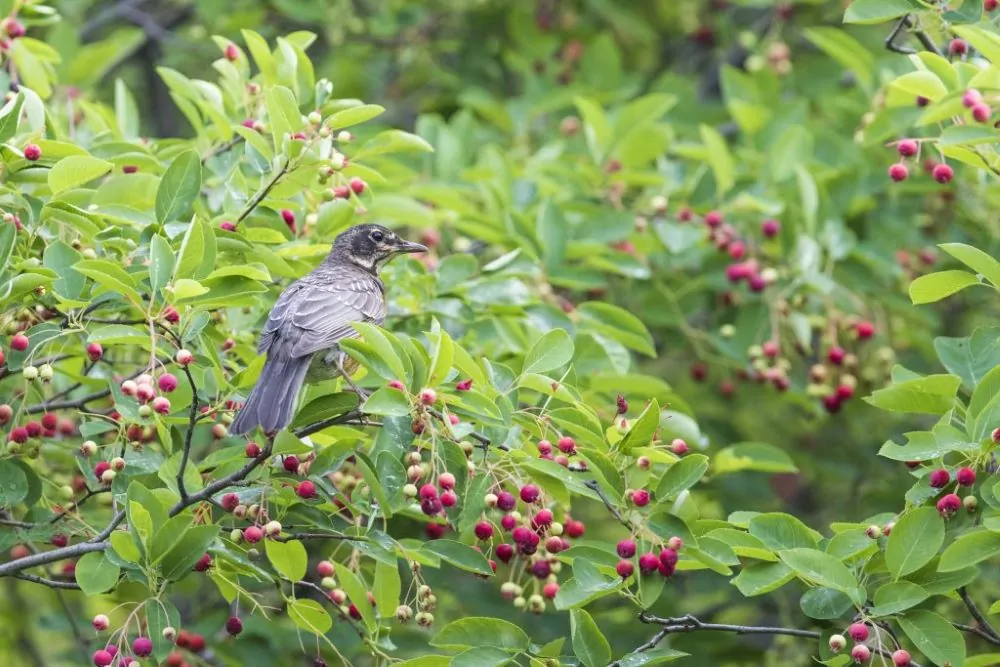
I like to clean up fallen debris—especially leaves—from my garden beds but leave most of the plants intact. Removing excess debris helps minimize the spread of fungal diseases and eliminates places where harmful pests may overwinter. However, I always leave perennial stems with seed heads standing to provide a valuable food source for birds during the scarce winter months. Plants like coneflowers, marigolds, and asters are especially appreciated by backyard birds. And don’t forget the berries—elderberries (Sambucus), in particular, are quickly snapped up as a tasty winter treat!

If bare soil is visible in any of my beds, I throw on a layer of organic mulch like pine straw or shredded bark. This acts as insulation to prevent frost heaving, which can push young or shallow-rooted plants out of the ground during freeze-thaw cycles. Here in the Mid-Atlantic, our variable winter weather makes this a common problem. I’ve lost more than one newly planted perennial to frost heaving. Adding a bit of topsoil around the crown of sensitive plants can help provide extra protection as well.
I’m fortunate to have plenty of large trees, which means plenty of fallen leaves—and I never bag them! Instead, I run over them with a lawn mower to shred them into small particles. These leaf mulches decompose quickly and enrich the soil, keeping my lawn healthy without the need for synthetic fertilizers. Leaving whole leaves on beds or turf can trap moisture and lead to fungal disease, so shredding is key. Extra leaves can be added directly to the compost pile, where they’ll break down over time.

Fall is also the time to give your gardening tools some TLC. My Felco pruners take a beating and need periodic sharpening and spring replacement. I also sharpen shovels and spades using a file or grinding wheel, then rub down metal parts with linseed oil, tung oil, or even cooking oil to prevent rust. Safety tip: always wear eye protection when sharpening blades.
I also drain and hang up my garden hoses, storing them in the garage rafters until spring. Be sure to service power tools in fall to prevent fuel from gumming up over winter.
Most of my houseplants spend summer outdoors, where they flourish and often outgrow their pots. Before bringing them in, I repot root-bound plants using a pot one size larger, trim any overgrown roots, and add fresh soil and compost. I always spray down the foliage with a forceful stream of water to remove any pests hiding on the leaves or stems.

One of my favorite fall chores is setting out bird feeders so I can observe and photograph winter visitors. I clean all feeders using soapy water and a diluted bleach solution (1 part bleach to 9 parts water) to eliminate pathogens. After rinsing and drying thoroughly, I fill them with fresh birdseed.
Hang feeders about 5 feet off the ground, ideally near shrubs or trees that give birds a place to perch and hide from predators like hawks. Suet feeders hung in trees are also great for attracting a variety of species (and yes, squirrels too!).
After removing spent summer crops like tomatoes and squash, I plant cool-season vegetables such as broccoli, cauliflower, lettuce, and pak choi. I mulch these transplants with leftover straw to retain moisture and suppress weeds, or use landscape fabric for a quick and effective solution.
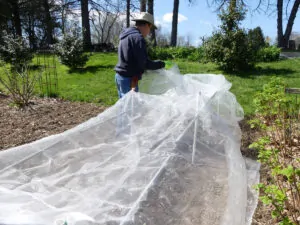
To protect cole crops from pests and frost, I use floating row covers—they let in sunlight and rain while keeping insects out. This season is also perfect for dividing and transplanting perennials, expanding your garden with zero cost.
One last task I always look forward to is curling up with a warm drink and a stack of plant and seed catalogs. Many vendors sold out early last year, so I recommend ordering native plants and seeds as soon as possible. Check out my post on The Garden Diaries for a list of pesticide- and neonic-free nurseries.
Fall gardening isn’t just about winding down—it’s about setting up for a strong, healthy spring. From composting leaves to prepping wildlife habitats, these simple seasonal tasks can help boost your landscape’s health, cut down on disease, and support biodiversity. Take the time to care for your tools, your soil, your plants—and the birds who rely on you this winter.
Order your seeds and plants early as many companies sold out this year and had limited selections because of COVD. Look for my article at TheGardenDiaries on Neonic and Pesticide Free Nurseries and Seeds to get some ideas of places to order from.
Claire is a horticulturalist and landscape design consultant. Owner of Claire Jones Landscapes, LLC, Claire’s designed gardens have been featured in print publications like WSJ and Style Magazine. A garden writer at The Garden Diaries, Claire maintains 3 honeybee hives and gardens at her home in Maryland.
As the seasons shift and the air turns crisp, fall is the perfect time to take care of your garden—and set it up for success in the months ahead. From fall mulching to preparing bird feeders, these tasks will help maintain plant health, reduce pests and disease, and invite winter wildlife to your backyard.
I like to clean up fallen debris—especially leaves—from my garden beds but leave most of the plants intact. Removing excess debris helps minimize the spread of fungal diseases and eliminates places where harmful pests may overwinter. However, I always leave perennial stems with seed heads standing to provide a valuable food source for birds during the scarce winter months. Plants like coneflowers, marigolds, and asters are especially appreciated by backyard birds. And don’t forget the berries—elderberries (Sambucus), in particular, are quickly snapped up as a tasty winter treat!
If bare soil is visible in any of my beds, I throw on a layer of organic mulch like pine straw or shredded bark. This acts as insulation to prevent frost heaving, which can push young or shallow-rooted plants out of the ground during freeze-thaw cycles. Here in the Mid-Atlantic, our variable winter weather makes this a common problem. I’ve lost more than one newly planted perennial to frost heaving. Adding a bit of topsoil around the crown of sensitive plants can help provide extra protection as well.
I’m fortunate to have plenty of large trees, which means plenty of fallen leaves—and I never bag them! Instead, I run over them with a lawn mower to shred them into small particles. These leaf mulches decompose quickly and enrich the soil, keeping my lawn healthy without the need for synthetic fertilizers. Leaving whole leaves on beds or turf can trap moisture and lead to fungal disease, so shredding is key. Extra leaves can be added directly to the compost pile, where they’ll break down over time.
Fall is also the time to give your gardening tools some TLC. My Felco pruners take a beating and need periodic sharpening and spring replacement. I also sharpen shovels and spades using a file or grinding wheel, then rub down metal parts with linseed oil, tung oil, or even cooking oil to prevent rust. Safety tip: always wear eye protection when sharpening blades.
I also drain and hang up my garden hoses, storing them in the garage rafters until spring. Be sure to service power tools in fall to prevent fuel from gumming up over winter.
Most of my houseplants spend summer outdoors, where they flourish and often outgrow their pots. Before bringing them in, I repot root-bound plants using a pot one size larger, trim any overgrown roots, and add fresh soil and compost. I always spray down the foliage with a forceful stream of water to remove any pests hiding on the leaves or stems.
One of my favorite fall chores is setting out bird feeders so I can observe and photograph winter visitors. I clean all feeders using soapy water and a diluted bleach solution (1 part bleach to 9 parts water) to eliminate pathogens. After rinsing and drying thoroughly, I fill them with fresh birdseed.
Hang feeders about 5 feet off the ground, ideally near shrubs or trees that give birds a place to perch and hide from predators like hawks. Suet feeders hung in trees are also great for attracting a variety of species (and yes, squirrels too!).
After removing spent summer crops like tomatoes and squash, I plant cool-season vegetables such as broccoli, cauliflower, lettuce, and pak choi. I mulch these transplants with leftover straw to retain moisture and suppress weeds, or use landscape fabric for a quick and effective solution.
To protect cole crops from pests and frost, I use floating row covers—they let in sunlight and rain while keeping insects out. This season is also perfect for dividing and transplanting perennials, expanding your garden with zero cost.
One last task I always look forward to is curling up with a warm drink and a stack of plant and seed catalogs. Many vendors sold out early last year, so I recommend ordering native plants and seeds as soon as possible. Check out my post on The Garden Diaries for a list of pesticide- and neonic-free nurseries.
Fall gardening isn’t just about winding down—it’s about setting up for a strong, healthy spring. From composting leaves to prepping wildlife habitats, these simple seasonal tasks can help boost your landscape’s health, cut down on disease, and support biodiversity. Take the time to care for your tools, your soil, your plants—and the birds who rely on you this winter.
Order your seeds and plants early as many companies sold out this year and had limited selections because of COVD. Look for my article at TheGardenDiaries on Neonic and Pesticide Free Nurseries and Seeds to get some ideas of places to order from.
Claire is a horticulturalist and landscape design consultant. Owner of Claire Jones Landscapes, LLC, Claire’s designed gardens have been featured in print publications like WSJ and Style Magazine. A garden writer at The Garden Diaries, Claire maintains 3 honeybee hives and gardens at her home in Maryland.
As the seasons shift and the air turns crisp, fall is the perfect time to take care of your garden—and set it up for success in the months ahead. From fall mulching to preparing bird feeders, these tasks will help maintain plant health, reduce pests and disease, and invite winter wildlife to your backyard.
I like to clean up fallen debris—especially leaves—from my garden beds but leave most of the plants intact. Removing excess debris helps minimize the spread of fungal diseases and eliminates places where harmful pests may overwinter. However, I always leave perennial stems with seed heads standing to provide a valuable food source for birds during the scarce winter months. Plants like coneflowers, marigolds, and asters are especially appreciated by backyard birds. And don’t forget the berries—elderberries (Sambucus), in particular, are quickly snapped up as a tasty winter treat!
If bare soil is visible in any of my beds, I throw on a layer of organic mulch like pine straw or shredded bark. This acts as insulation to prevent frost heaving, which can push young or shallow-rooted plants out of the ground during freeze-thaw cycles. Here in the Mid-Atlantic, our variable winter weather makes this a common problem. I’ve lost more than one newly planted perennial to frost heaving. Adding a bit of topsoil around the crown of sensitive plants can help provide extra protection as well.
I’m fortunate to have plenty of large trees, which means plenty of fallen leaves—and I never bag them! Instead, I run over them with a lawn mower to shred them into small particles. These leaf mulches decompose quickly and enrich the soil, keeping my lawn healthy without the need for synthetic fertilizers. Leaving whole leaves on beds or turf can trap moisture and lead to fungal disease, so shredding is key. Extra leaves can be added directly to the compost pile, where they’ll break down over time.
Fall is also the time to give your gardening tools some TLC. My Felco pruners take a beating and need periodic sharpening and spring replacement. I also sharpen shovels and spades using a file or grinding wheel, then rub down metal parts with linseed oil, tung oil, or even cooking oil to prevent rust. Safety tip: always wear eye protection when sharpening blades.
I also drain and hang up my garden hoses, storing them in the garage rafters until spring. Be sure to service power tools in fall to prevent fuel from gumming up over winter.
Most of my houseplants spend summer outdoors, where they flourish and often outgrow their pots. Before bringing them in, I repot root-bound plants using a pot one size larger, trim any overgrown roots, and add fresh soil and compost. I always spray down the foliage with a forceful stream of water to remove any pests hiding on the leaves or stems.
One of my favorite fall chores is setting out bird feeders so I can observe and photograph winter visitors. I clean all feeders using soapy water and a diluted bleach solution (1 part bleach to 9 parts water) to eliminate pathogens. After rinsing and drying thoroughly, I fill them with fresh birdseed.
Hang feeders about 5 feet off the ground, ideally near shrubs or trees that give birds a place to perch and hide from predators like hawks. Suet feeders hung in trees are also great for attracting a variety of species (and yes, squirrels too!).
After removing spent summer crops like tomatoes and squash, I plant cool-season vegetables such as broccoli, cauliflower, lettuce, and pak choi. I mulch these transplants with leftover straw to retain moisture and suppress weeds, or use landscape fabric for a quick and effective solution.
To protect cole crops from pests and frost, I use floating row covers—they let in sunlight and rain while keeping insects out. This season is also perfect for dividing and transplanting perennials, expanding your garden with zero cost.
One last task I always look forward to is curling up with a warm drink and a stack of plant and seed catalogs. Many vendors sold out early last year, so I recommend ordering native plants and seeds as soon as possible. Check out my post on The Garden Diaries for a list of pesticide- and neonic-free nurseries.
Fall gardening isn’t just about winding down—it’s about setting up for a strong, healthy spring. From composting leaves to prepping wildlife habitats, these simple seasonal tasks can help boost your landscape’s health, cut down on disease, and support biodiversity. Take the time to care for your tools, your soil, your plants—and the birds who rely on you this winter.
Order your seeds and plants early as many companies sold out this year and had limited selections because of COVD. Look for my article at TheGardenDiaries on Neonic and Pesticide Free Nurseries and Seeds to get some ideas of places to order from.
Claire is a horticulturalist and landscape design consultant. Owner of Claire Jones Landscapes, LLC, Claire’s designed gardens have been featured in print publications like WSJ and Style Magazine. A garden writer at The Garden Diaries, Claire maintains 3 honeybee hives and gardens at her home in Maryland.